
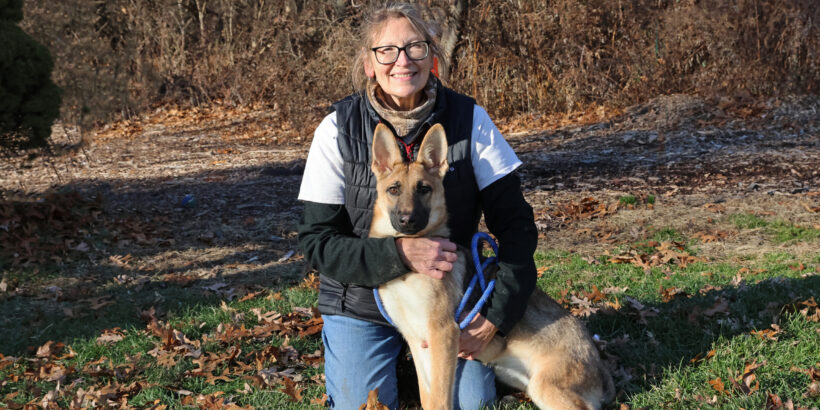
Training your pup is a great way to keep them happy and healthy. Did you know that Positive Reinforcement training is one of the best ways to bond with and support your pet? There are a lot of trainers out there – here are some tips from the team at CHS in finding the right trainer for you and your pet.
What is positive reinforcement training?
- Positive reinforcement is a rewards-based training method that involves rewarding desired behaviors, teaching pets to foster trust, and encouraging lasting and positive behavioral ch
Why should you choose positive reinforcement training?
- This method is backed by science-supported training and is widely encouraged because it builds trust rather than fear, strengthens the human-animal bond, encourages the development of positive behaviors rather instead of suppressing unwanted ones, and it supports a pet’s emotional well-being through confidence-building and meaningful connection.
When picking a trainer for your pet, it’s a good idea to prepare a set of questions to ask them before you meet. This includes asking about the specific behavior modification methods, tools they use to address your pet’s behavior, and getting a feel for the trainer you’ll be working with.
How do I pick a trainer for positive reinforcement?
- Ensure that any trainer, website, or social media page you encounter is accredited by a professional organization that supports continuous scientific updates, compassion, and the do-no-harm principles. Keep reading on below for more information about accreditations!
- You’ll want to make sure that a dog trainer will be patient with your dog, allow them to take breaks, and can read your dog’s body language and adjust the plan to fit your dog’s needs.
- Make sure a trainer explicitly states that they use positive reinforcement training.
What should one look for when picking a trainer?
Red flags?
- Avoid words like “corrections” or “alpha” in their descriptors. Meet the potential trainer and go with your gut when they first interact with your dog.
- Organizations may use the term “balanced” to describe their training approach. Ask for information about the techniques and plans they use to support you in making an informed decision that aligns with your values.
Green flags?
- Your trainer should have schooling and accreditations such as through the Karen Pryor academy/CPDT-KA/PPG/CCPDT/Fear Free certified, etc.
- Your trainer should allow your dogs to take breaks. This ensures that your potential trainer is reading your pet’s body language and not pushing them beyond their limits.
- The trainer is happy to welcome any questions you may have during the training session. They also encourage you to participate in the training sessions.
Pet parents must do their research to make sure they are getting a reputable trainer, whether that is a basic obedience trainer or a behavior consultant. Both terms can be applied to any trainer, regardless of their ability to train or their level of education.
Remember, training with your pet is supposed to be fun! If your dog shows any signs of stress going to training classes –i.e., shaking on the car ride there, not wanting to enter the building, not approaching people during the class, not eating their treats, etc. — make sure you discuss this with your trainer so that you’re adjusting to meet your dog’s needs.
A thoughtful, compassionate training approach sets the foundation for a strong relationship — and helps dogs feel confident, safe, and eager to learn.
Interested in learning more about positive reinforcement training? Check out the “Do No Harm Training and Behavior Handbook” by Linda Michaels.